
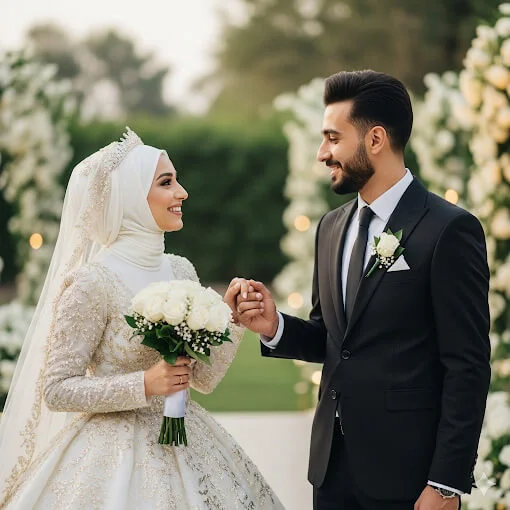
In many Muslim societies, experiencing prolonged delays in finding a suitable spouse causes intense emotional distress for young men, women, and their concerned parents. Societal pressures, unrealistic cultural expectations, financial burdens, and sometimes unseen spiritual obstacles—such as the evil eye or intense jealousy—create frustrating impediments. Islam provides believers with profound theological solace and effective spiritual supplications to dissolve anxiety, restore self-esteem, and facilitate the path toward a righteous union.
The Divine Wisdom Behind Marriage Delays
In Islamic theology, marriage is a matter of divine decree (Qadr). While human beings perceive time chronologically, Allah Almighty arranges every event with infinite wisdom. A delay may protect an individual from an incompatible, toxic partnership, allow personal emotional maturity to develop, or serve as a spiritual catalyst drawing the heart closer to Allah. The believer never interprets delay as rejection, but rather as divine preparation for a more blessed outcome.
The Powerful Quranic Dua of Prophet Musa (peace be upon him)
When Prophet Musa arrived in Madyan exhausted, homeless, jobless, and completely alone, he helped two young women water their flock without demanding payment. He then retreated to the shade and made this immortal supplication (Surah Al-Qasas, 28:24):
رَبِّ إِنِّي لِمَا أَنزَلْتَ إِلَيَّ مِنْ خَيْرٍ فَقِيرٌ
English Transliteration & Meaning
"Rabbi inni lima anzalta ilayya min khayrin faqeer."
"My Lord, indeed I am, in need of whatever good You would send down to me."
The spiritual efficacy of this verse is breathtaking: immediately after Musa uttered this humble plea, Allah granted him honorable employment, safe shelter, and a righteous, loving wife. Classical scholars unanimously recommend this prayer for anyone seeking marriage, employment, or honorable livelihood.
Reciting Surah Al-Furqan for a Righteous Spouse
The Quranic supplication of the Servants of the Most Merciful should be recited after every obligatory prayer (Surah Al-Furqan, 25:74):
"Rabbana hab lana min azwajina wa dhurriyyatina qurrata a'yunin waj'alna lil-muttaqina imama."
"Our Lord, grant us from among our spouses and offspring comfort to our eyes and make us leaders for the righteous."
Avoiding Unlawful Cultural Shortcuts
Families desperate for quick marriage proposals frequently fall into the trap of visiting fraudulent spiritual practitioners who claim that a "Bandish" (occult blockage) has been placed and demand large sums of money for magical rituals. These practices are completely haram. True spiritual facilitation comes from increasing Istighfar (seeking forgiveness), giving regular Sadaqah, performing Tahajjud prayer, and maintaining upright character.
If you or your family are experiencing persistent matrimonial obstacles and desire ethical, confidential Islamic counsel, contact Markaz-e-Basirat to speak with an experienced spiritual advisor.
The Spiritual Power of Consistent Tahajjud and Istighfar
When seeking relief from marriage delays, classical scholars emphatically advise establishing a consistent habit of waking before dawn for the Tahajjud prayer. In numerous authentic traditions, the Prophet Muhammad ﷺ affirmed that Allah descends to the lowest heaven during the final third of the night, asking who is seeking provision, forgiveness, and relief from distress. Pairing sincere Tahajjud with abundant Istighfar (seeking forgiveness at least one hundred times daily) cleanses the spiritual atmosphere surrounding an individual, removes unseen impediments caused by personal sins, and opens pathways of divine facilitation from directions previously unimaginable.
Quick answers
What is the main guidance in this article?
A compassionate spiritual guide addressing marriage delays, offering authentic Quranic prayers and ethical remedies to open doors of marital blessings.
Can this article replace qualified advice?
No. It is educational and reflective content and should not replace qualified medical, legal, financial or mental-health advice.
Need personal guidance?
Speak with the Markaz-e-Basirat team in Pakistan or the UK.